In 2025, the main forms of self-generated and self-consumed photovoltaic power generation in factories will be as follows:
Distributed photovoltaic power generation
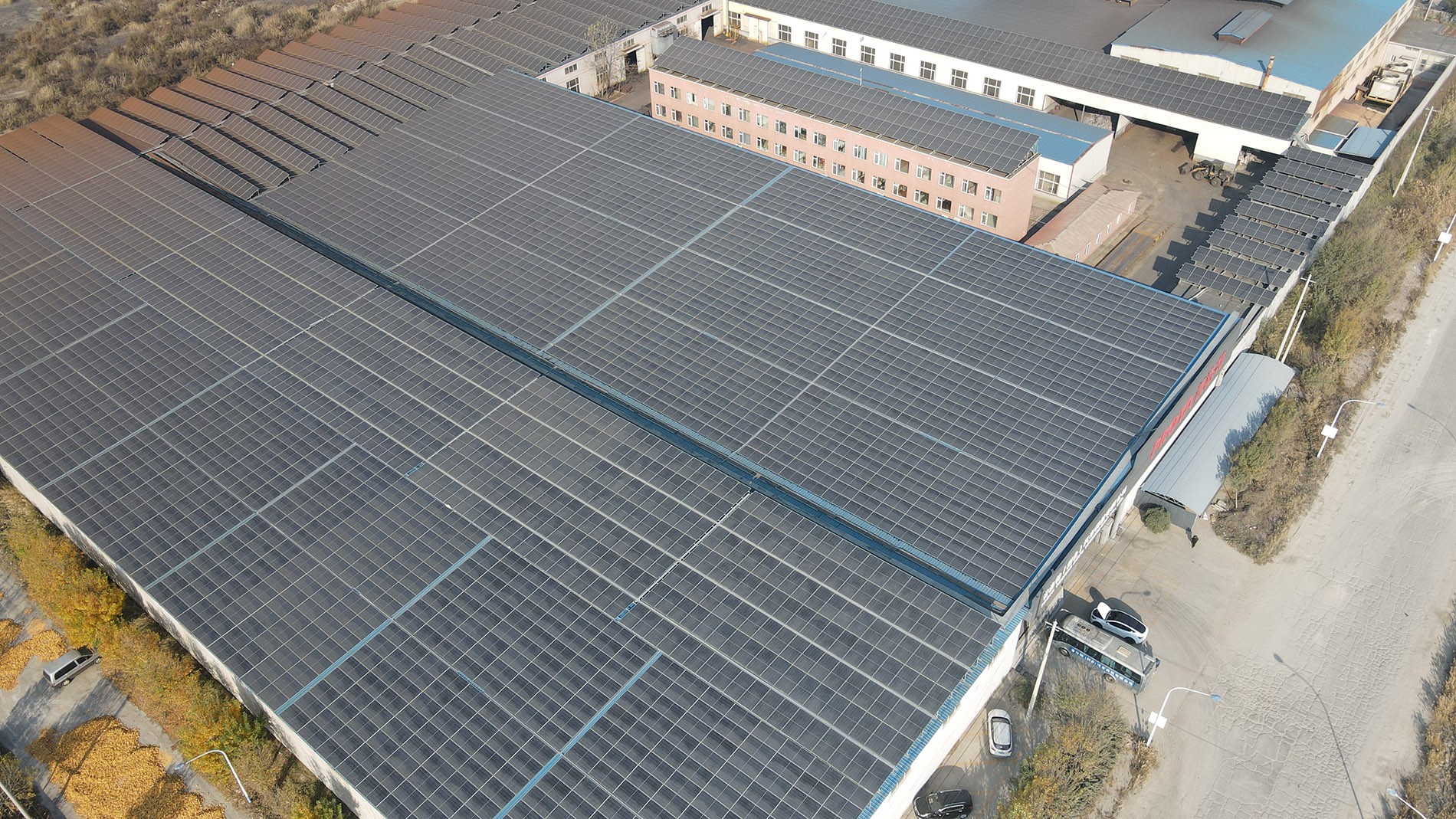
General industrial and commercial distributed photovoltaic power generation: It is constructed on the rooftops, facades and other buildings of factories and their affiliated sites, with a public connection point voltage level of 10 kilovolts (20 kilovolts) or less and a total installed capacity not exceeding 6 megawatts. This form of photovoltaic power generation can choose either a fully self-generated and self-consumed model or a self-generated and self-consumed model with surplus power fed to the grid. It can effectively utilize the idle space of factories, reduce the demand for enterprises to purchase electricity from the power grid, and lower electricity costs.
Large-scale industrial and commercial distributed photovoltaic power generation: Usually connected to the internal power grid of power users or providing dedicated power supply to users, with a common connection point voltage level of 35 kilovolts and a total installed capacity not exceeding 20 megawatts, or a common connection point voltage level of 110 kilovolts (66 kilovolts) and a total installed capacity not exceeding 50 megawatts. According to the regulations of the National Energy Administration, large-scale industrial and commercial distributed photovoltaic power generation must adopt a fully self-generated and self-consumed model. The project investment entity should achieve fully self-generated and self-consumed power generation by configuring anti-backflow devices.
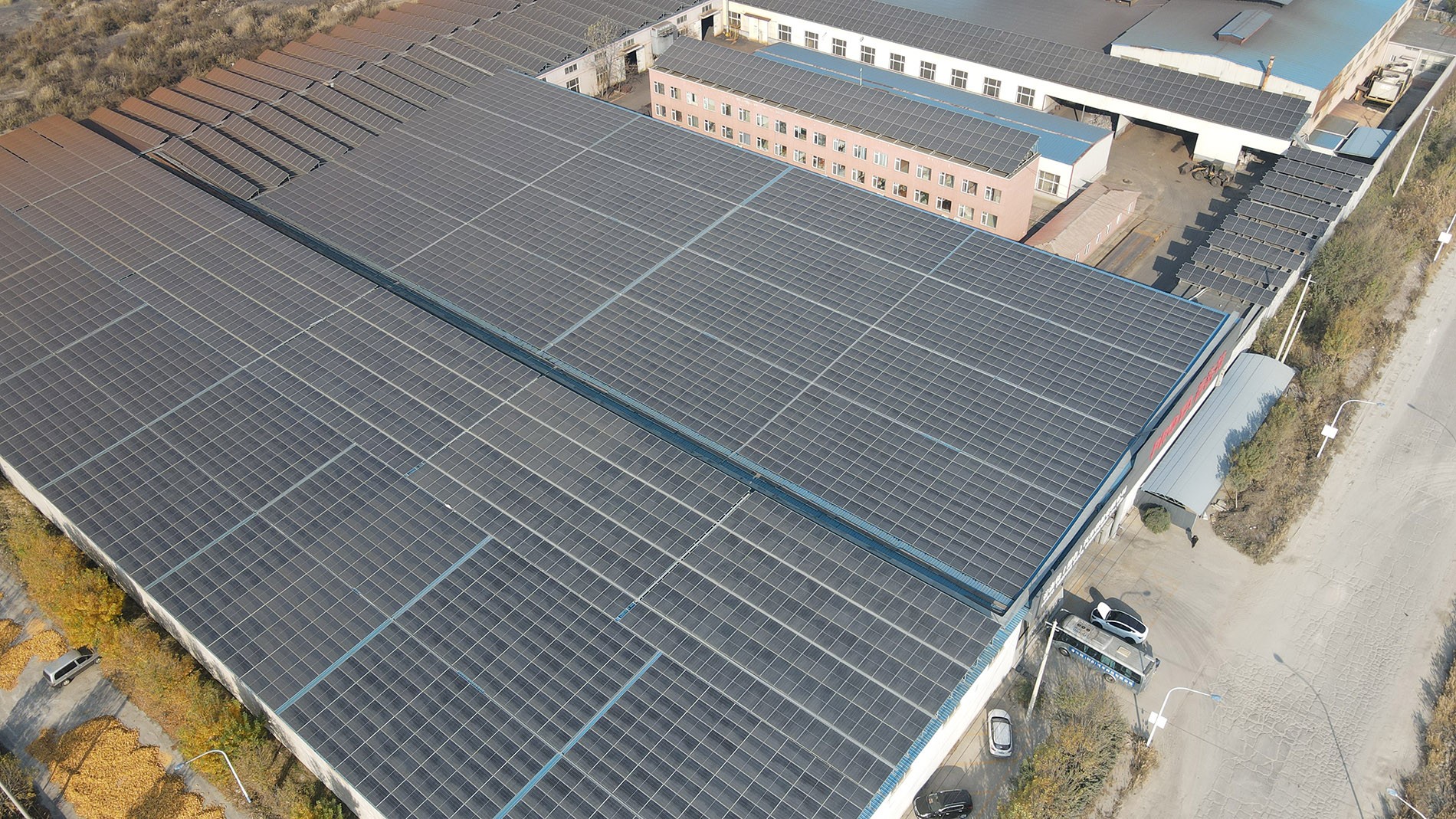
The renovation of the 6-megawatt Phase 1 and 3-megawatt old factory area of Laizhou Purot Brake Disc
The combination of centralized photovoltaic power generation and energy storage systems
Some factories will build centralized photovoltaic power stations on the idle land near the factory area and equip them with energy storage systems. Energy storage systems can store excess electricity when photovoltaic power generation is sufficient and release it when photovoltaic power generation is insufficient or when the factory's electricity demand is at its peak, achieving self-generation and self-consumption. This form is suitable for factories with large areas of idle land and stable electricity demand. It can effectively improve the utilization rate and stability of photovoltaic power generation and reduce the reliance on the power grid.
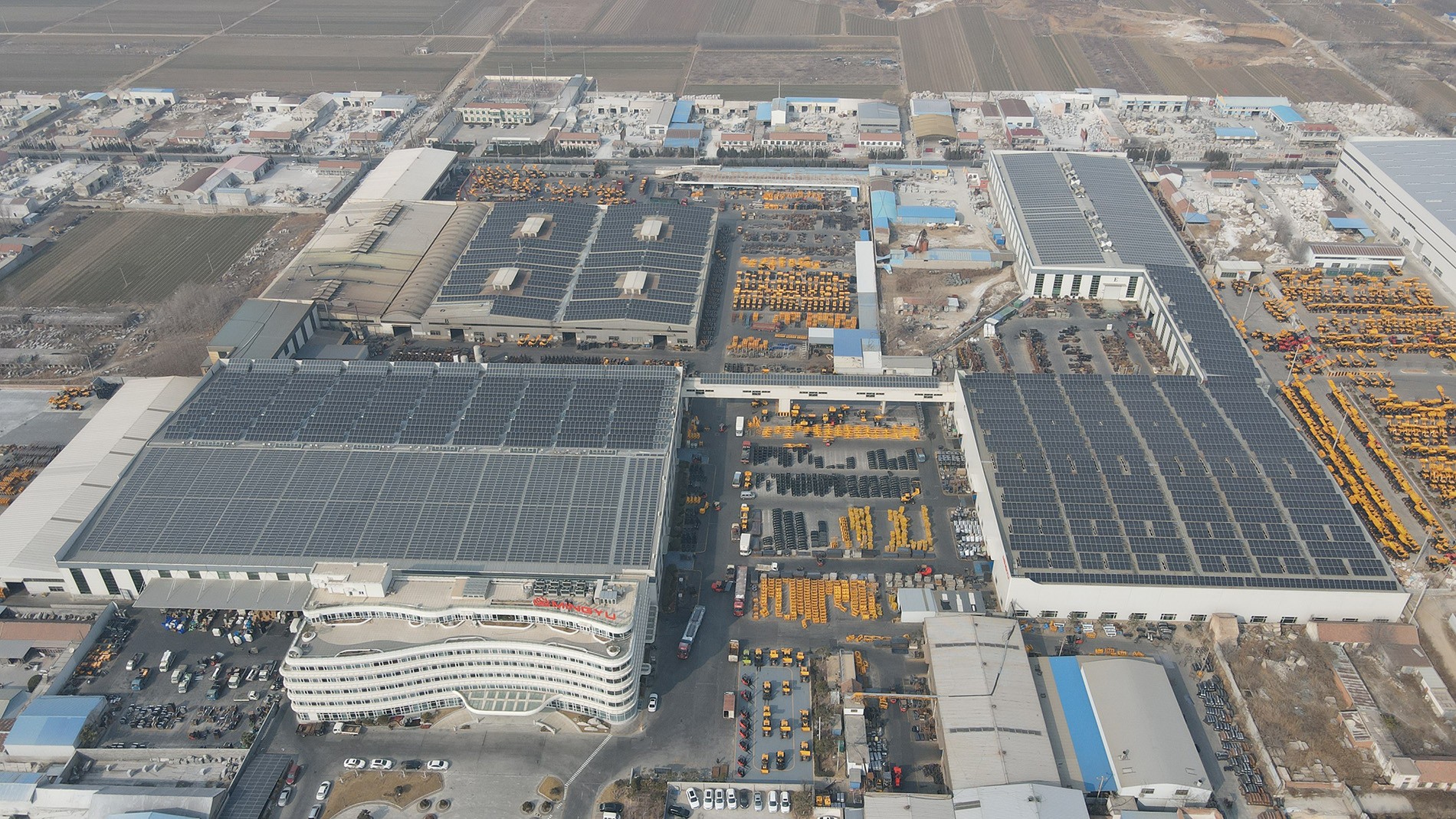
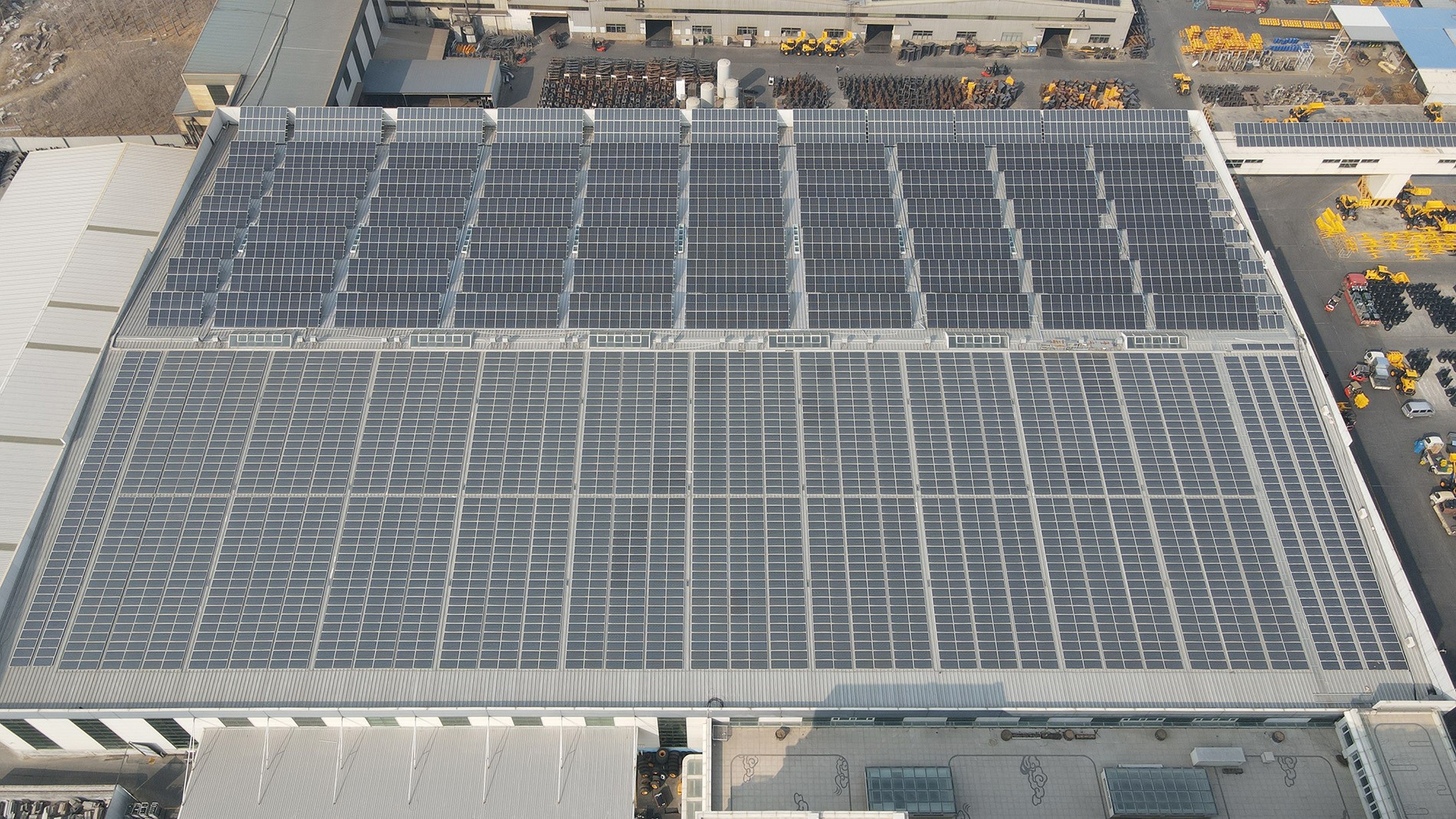
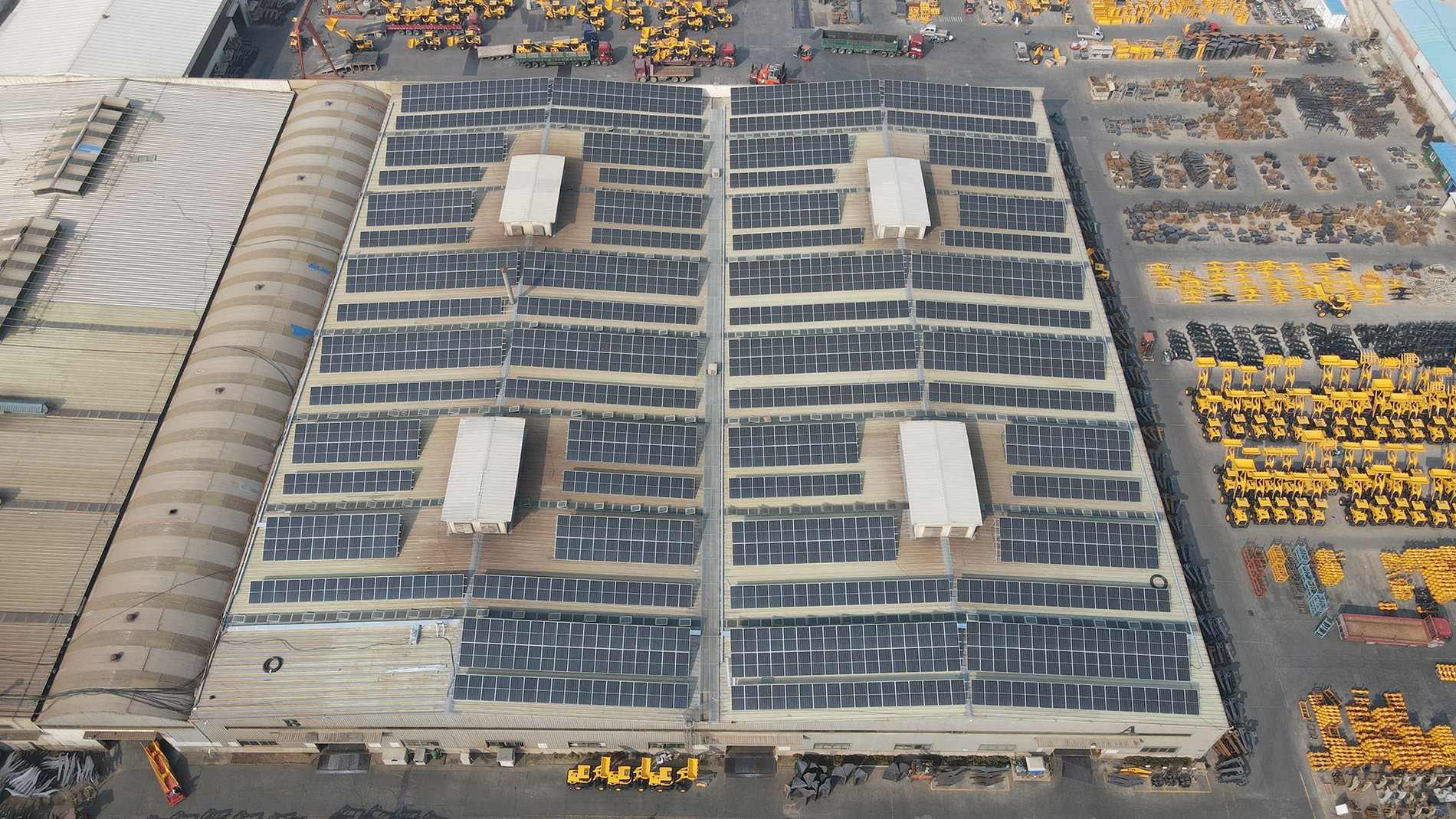
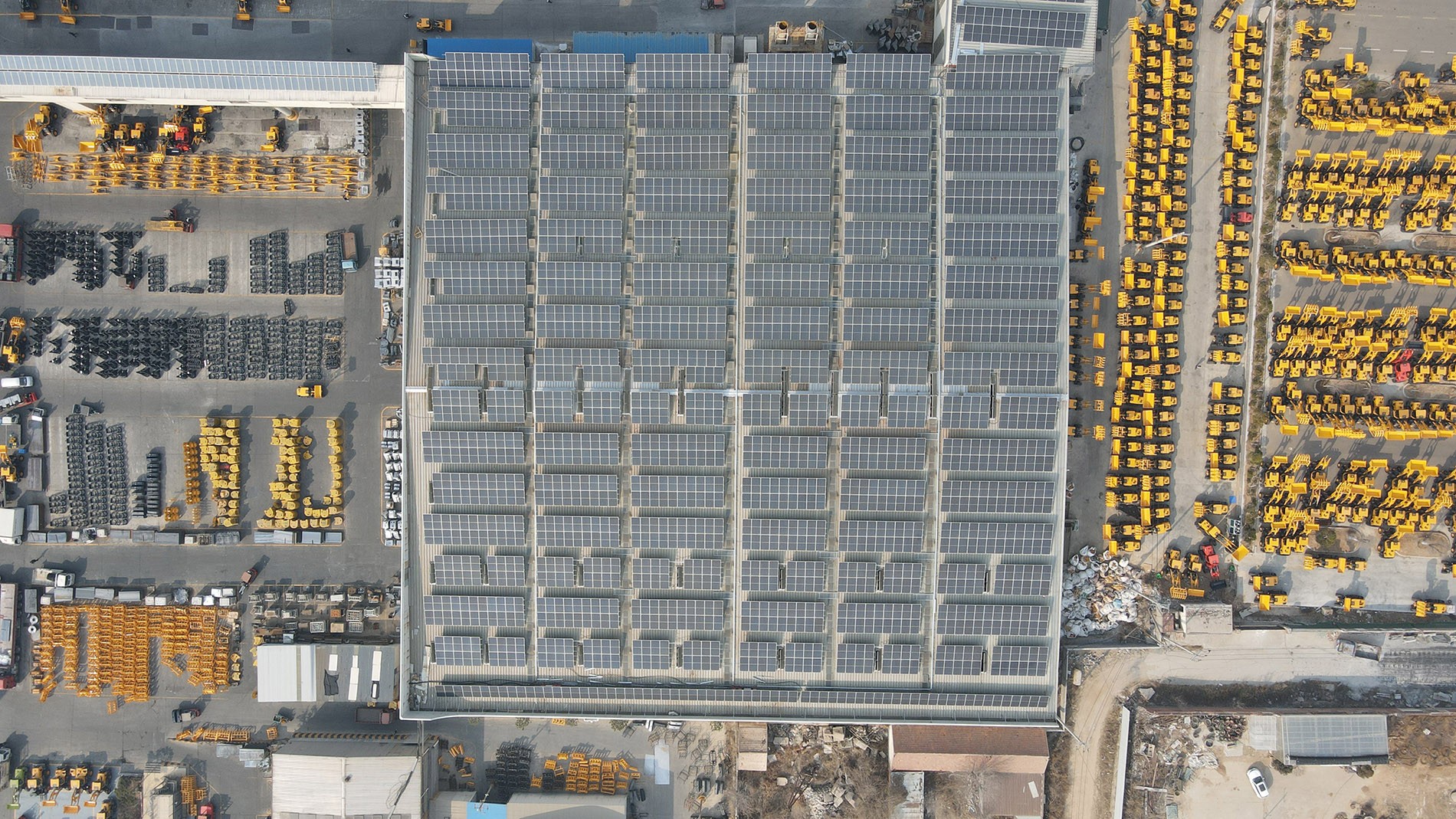
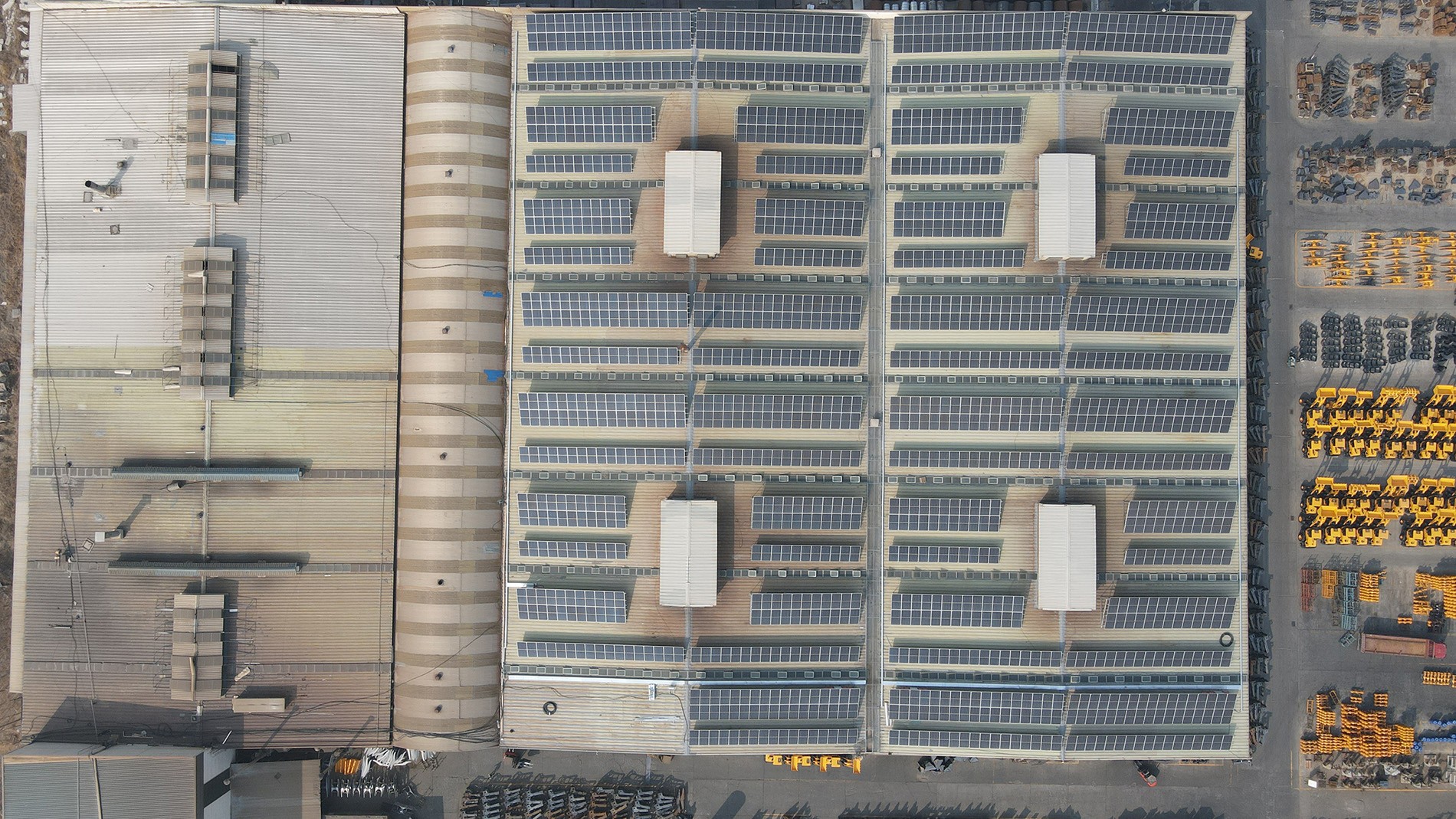
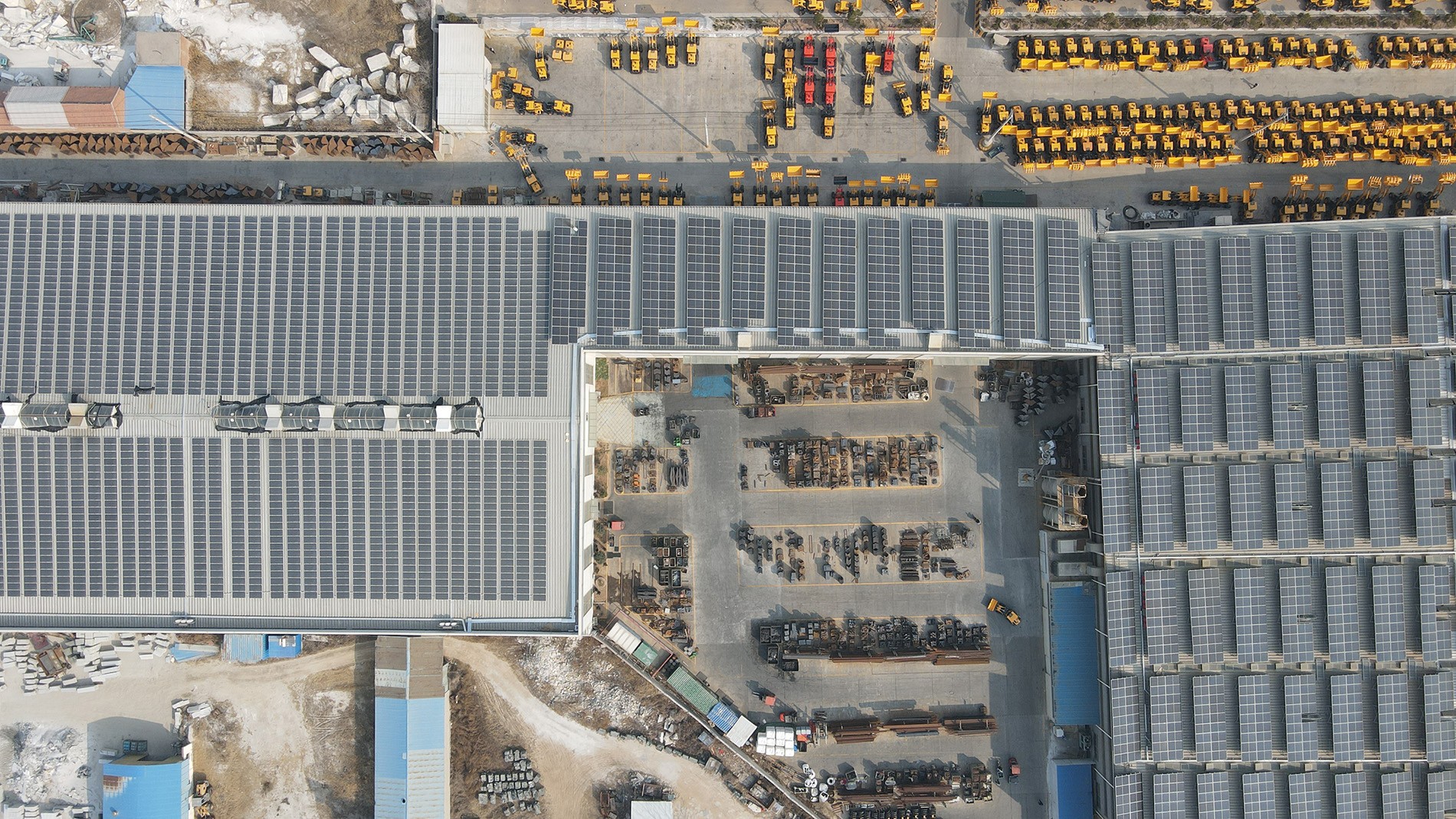
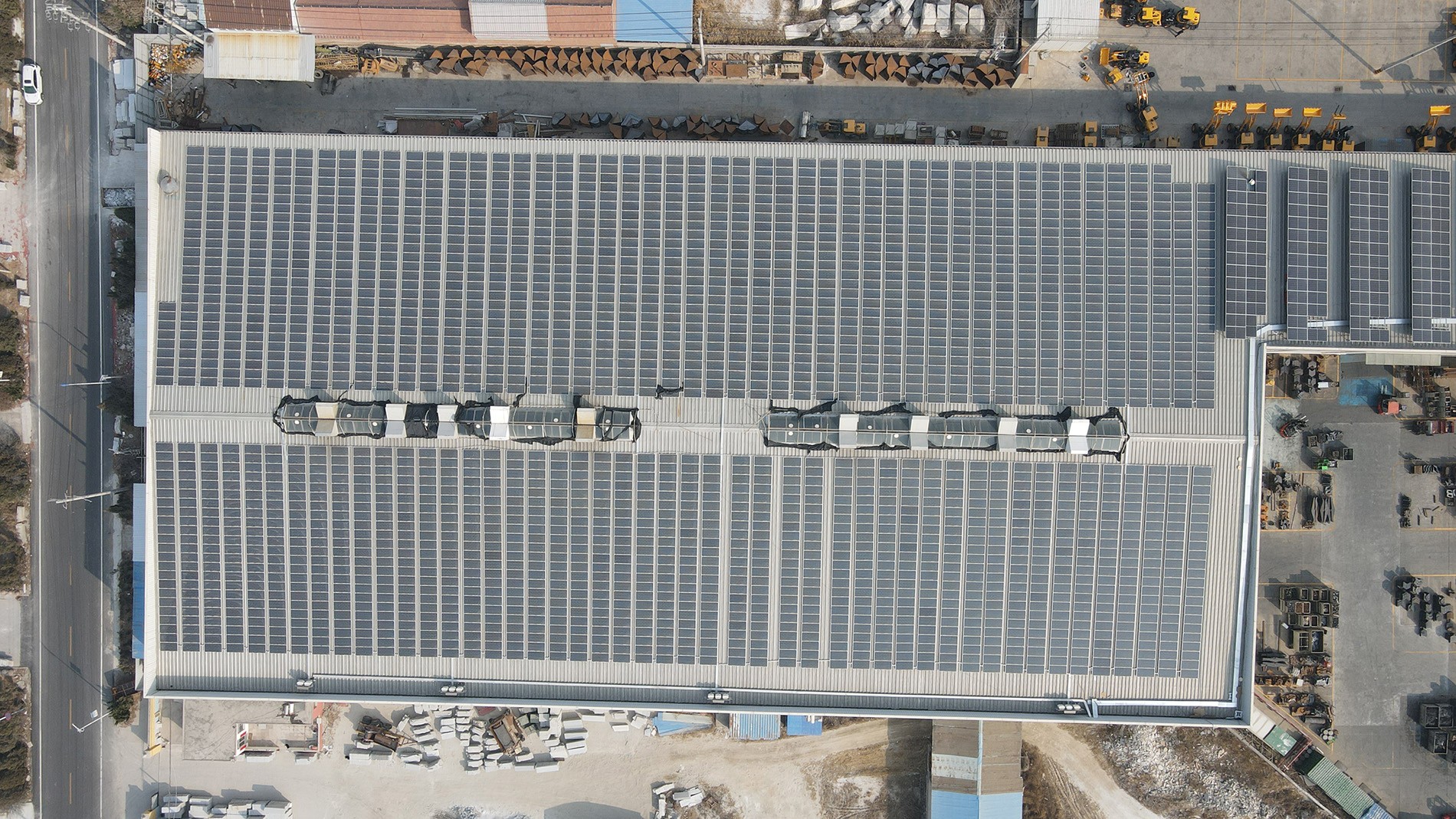
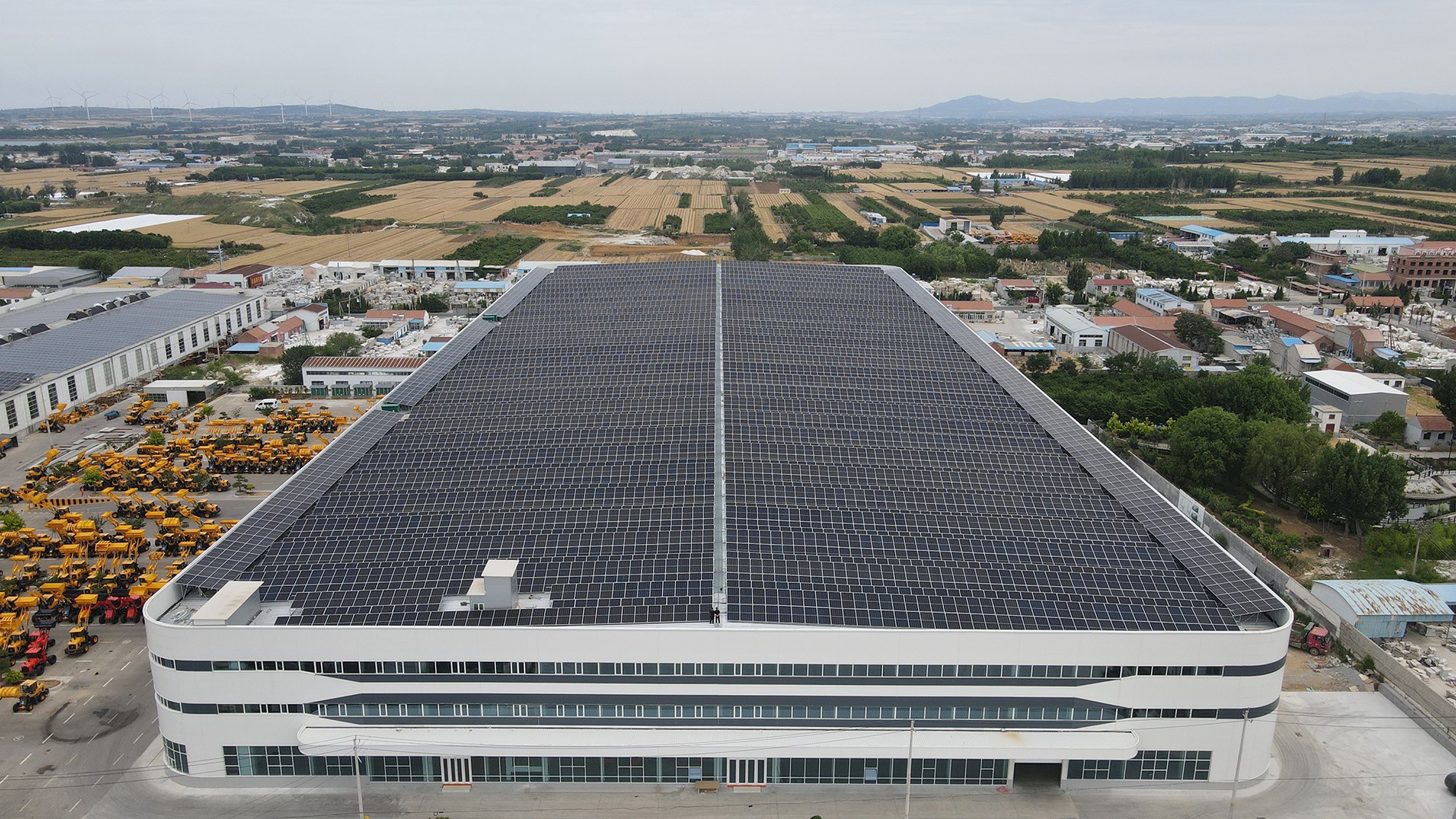
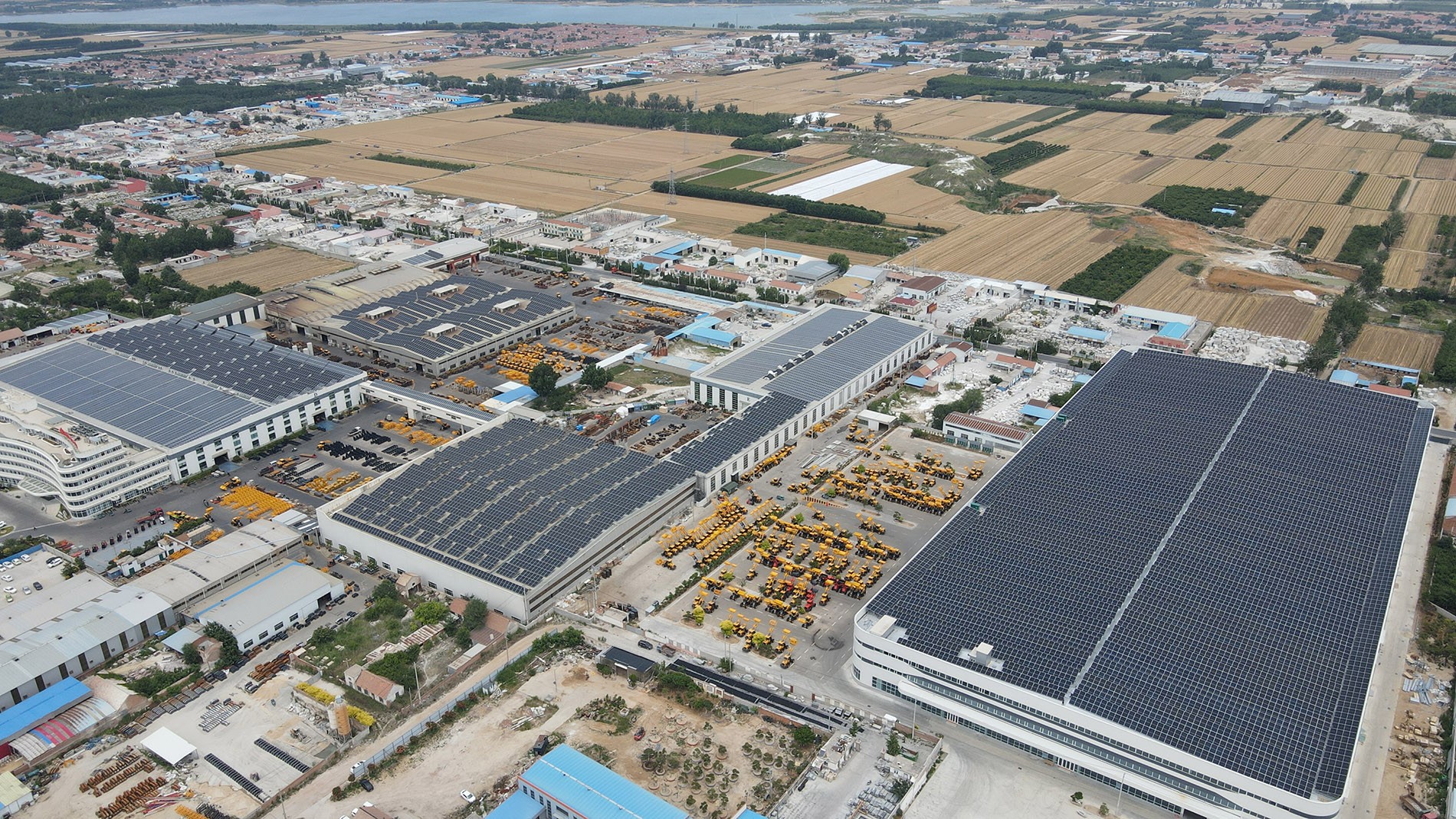
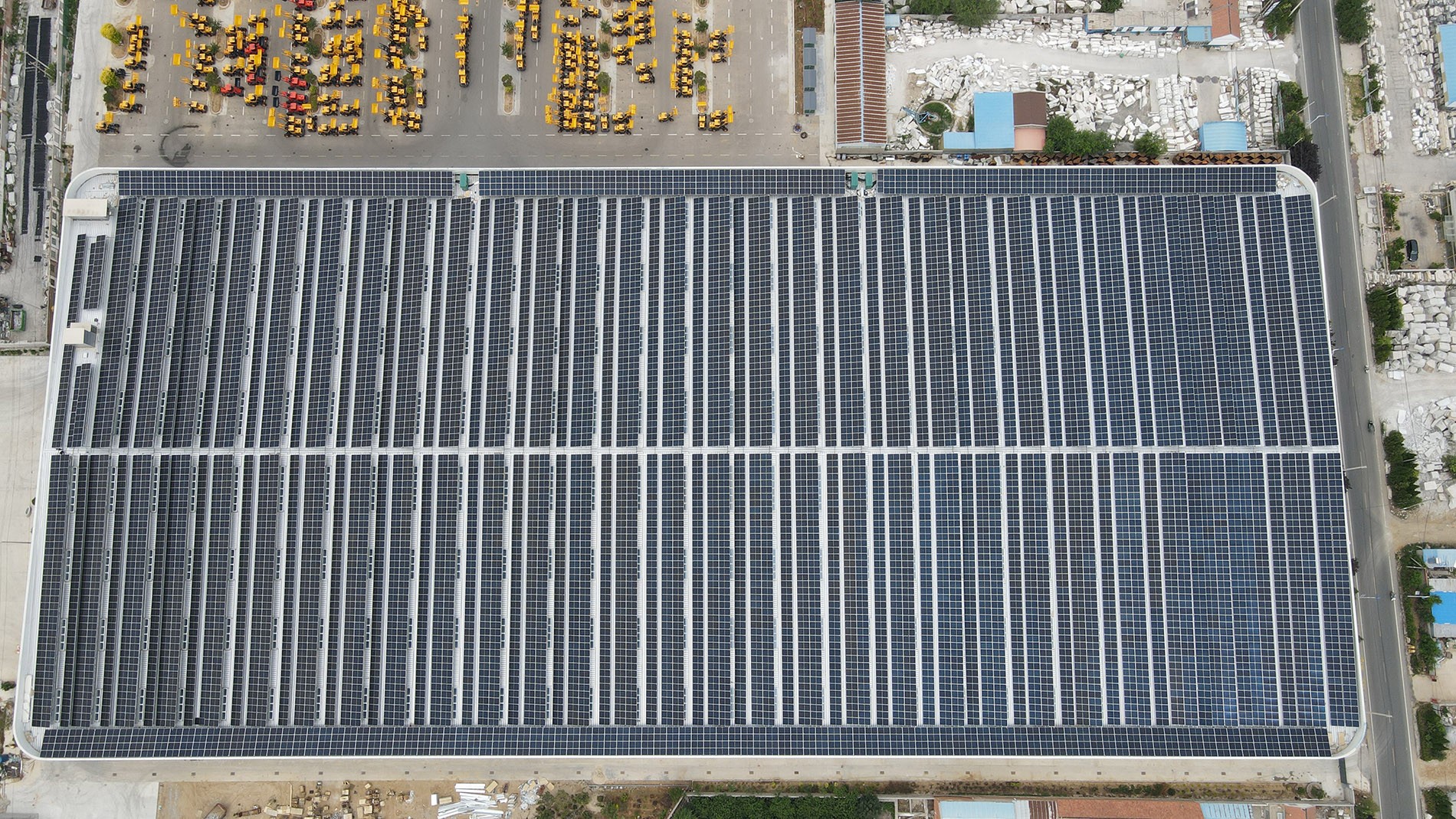
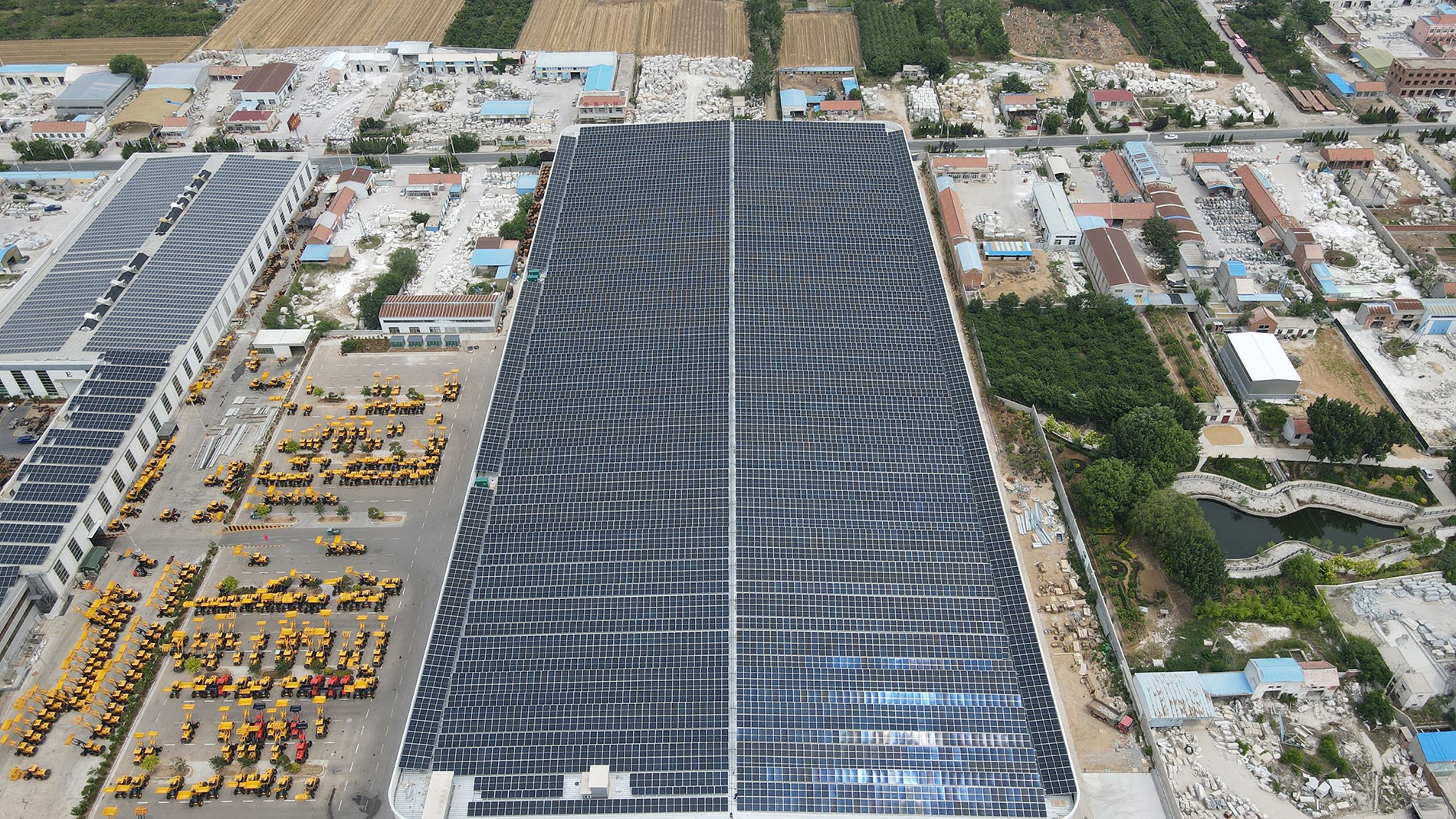
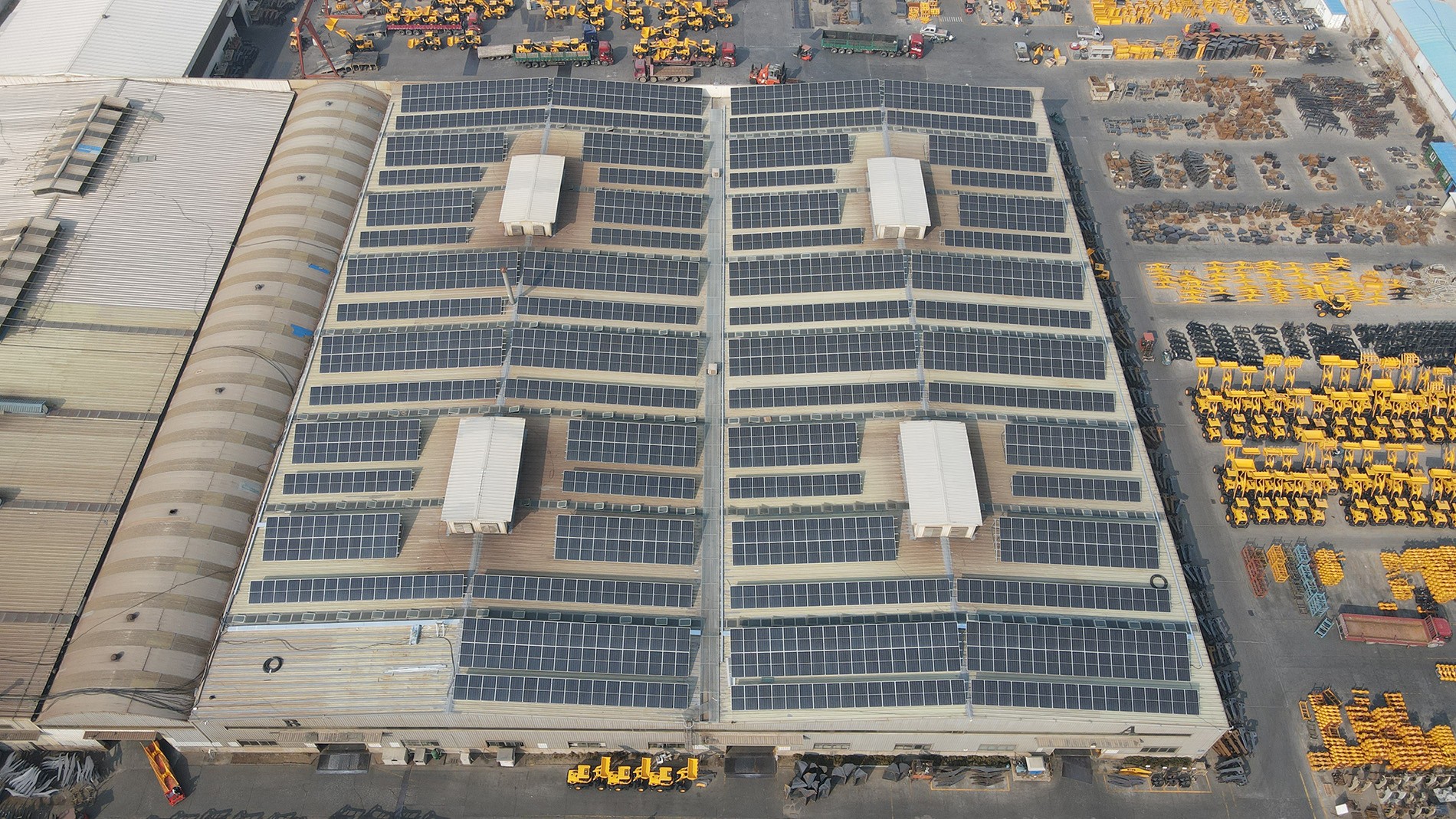
Shandong Mingyu Heavy Industry Machinery Co., Ltd. has a 12-megawatt self-generated free photovoltaic power generation capacity
Building-integrated photovoltaic
- Integrated photovoltaic roof: Photovoltaic modules are directly integrated into the roof structure of the factory, replacing traditional roof materials. It not only has the function of photovoltaic power generation but also can provide shelter from wind and rain. This form can be perfectly integrated with the building, does not occupy additional space, and at the same time can enhance the aesthetic appeal and energy-saving effect of the factory building.
Integrated photovoltaic curtain wall: Photovoltaic modules are installed on the exterior facade of factory buildings to form photovoltaic curtain walls. Photovoltaic curtain walls can not only generate electricity, but also play the roles of heat insulation, sound insulation and shading, reducing building energy consumption and improving the indoor environment. This form is suitable for factories with high requirements for building appearance and energy conservation.
Intelligent microgrid photovoltaic power generation system
By building an intelligent microgrid, the photovoltaic power generation system, energy storage system, and electrical equipment within the factory are organically connected to achieve intelligent power distribution and optimized dispatching. Smart microgrids can automatically adjust the output of photovoltaic power generation and the charging and discharging strategies of energy storage systems based on factors such as the electricity demand of factories, the situation of photovoltaic power generation, and the operation status of the power grid, ensuring that the generated electricity is maximized for self-consumption and improving energy utilization efficiency and power supply reliability.
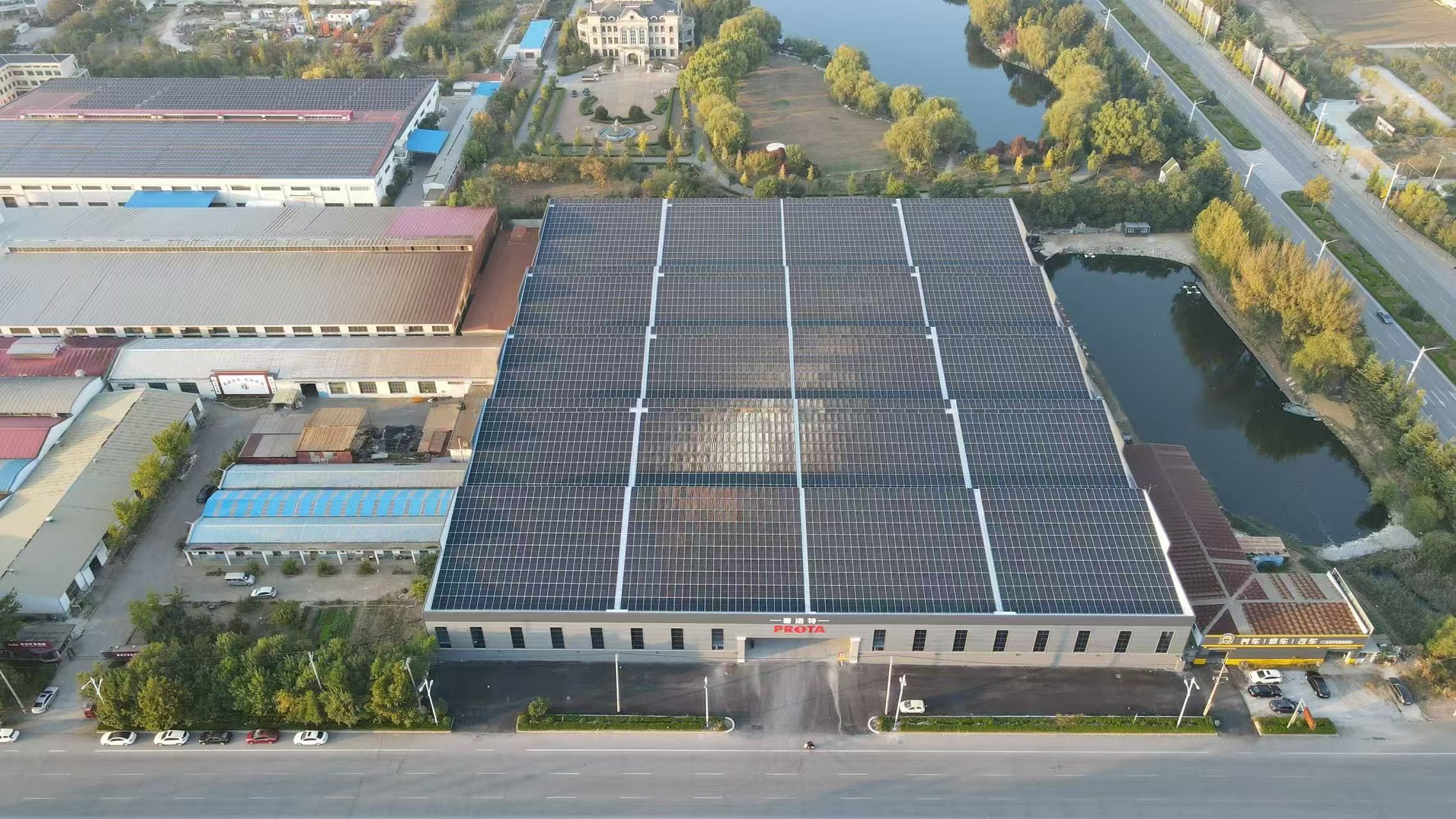
Aerial view of the integrated photovoltaic roof of the 6-megawatt Phase II and 3-megawatt factory of Laizhou City Purot Brake Disc Factory
 Current position:Home Page >>Photovoltaic power generation >>Factory photovoltaic power generation